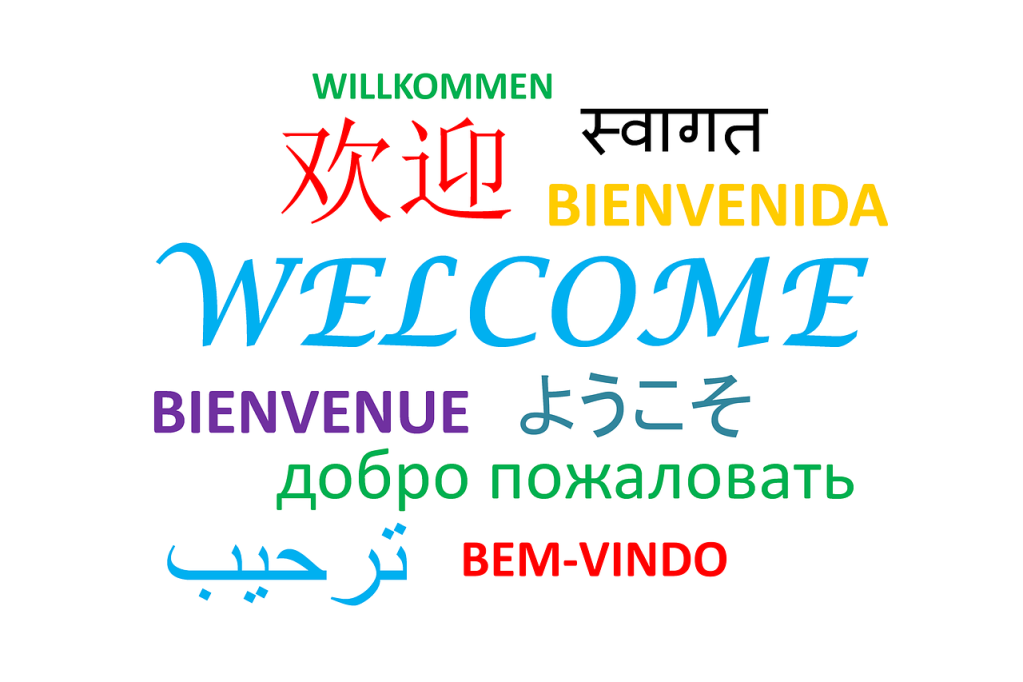
In many parts of the world, education is often delivered primarily in global or national languages such as English, French, or Arabic. While these languages connect learners to broader opportunities, learning in local languages—the mother tongues or native languages of learners—holds unique and transformative power for education, culture, and society.
Why Local Language Learning Matters
Local languages are more than just communication tools; they are vessels of culture, identity, and knowledge. When children and adults learn in their local languages, education becomes more accessible, meaningful, and engaging. This leads to better comprehension, higher retention, and increased participation in classrooms.
Research has consistently shown that learners who start their education in their mother tongue perform better academically and are more likely to continue their schooling. The UNESCO Global Education Monitoring Report emphasizes that mother tongue-based education helps reduce dropout rates and improves literacy outcomes.
Benefits of Learning in Local Languages
- Improved Understanding and Cognitive Development:
Learners grasp complex concepts more easily when taught in a familiar language. It strengthens foundational skills that can later be transferred to additional languages. - Preservation of Culture and Identity:
Teaching in local languages helps preserve indigenous knowledge, traditions, and cultural heritage, fostering pride and self-esteem among learners. - Inclusive Education:
Local language instruction reduces barriers for marginalized communities, including ethnic minorities and rural populations, promoting equity in education. - Community Engagement:
When education respects linguistic diversity, families and communities are more likely to participate in school activities, creating a supportive learning environment.
Challenges and Considerations
Despite its benefits, learning in local languages faces several challenges:
- Limited Resources: Many local languages lack sufficient teaching materials, trained teachers, and standardized curricula.
- Language Standardization: Some languages have multiple dialects, complicating the creation of uniform educational content.
- Policy and Political Will: In some countries, education policies favor dominant national or colonial languages, sidelining local languages.
- Transition to Global Languages: There is often a need to balance mother tongue instruction with learning national or global languages to ensure learners can compete in wider economic and social contexts.
Steps Forward
To unlock the full potential of learning in local languages, governments, educators, and communities must collaborate. This includes:
- Developing quality teaching materials and textbooks in local languages.
- Training teachers who are proficient and passionate about mother tongue education.
- Implementing bilingual or multilingual education models that respect local languages while gradually introducing additional languages.
- Raising awareness about the importance of linguistic diversity and inclusion in education.
Conclusion
Learning in local languages is not just a pedagogical preference—it is a fundamental right that can transform education systems and empower communities. By embracing mother tongue education, we build a foundation for lifelong learning, cultural preservation, and social inclusion. In a world that grows increasingly interconnected, honoring our linguistic roots ensures that no learner is left behind.
Photo Credit: On Raising Bilingual Childre
